Showing posts with label swallowing. Show all posts

Wednesday, July 31, 2019

Updated Swallowing Exercises


This last week I saw a Ear, Nose and Throat specialist. He scoped my throat and saw significant atrophy in the sphincter muscles and voice box. Below are a few updated Swallowing Exercises provided by a speech therapist.


Perform each of these exercises 10-20 times in a row.

1. Oral Control Exercises

    a. Using lips and tongue, move straw from left cheek to right cheek.

    b. Place straw at center of lips. Using lips and tongue, move in and out.

2. Pharyngeal Stripping Exercises

    a. Swallow hard, squeezing all your muscles. Pretend you are swallowing an egg.

3. Tongue Base Exercises

    a. Stick tongue out, bite tip with teeth or hold tip with a gauze pad. While doing this, swallow, keeping your tongue anchored.

    b. Pull the tongue into the back of the mouth, keeping tongue tip down. Hold for a slow count of 5.

4. Laryngeal Elevation Exercises

    a. Start to swallow normally. Hold your Adam’s apple up with your neck muscles when it gets to the top. Hold for a slow count of 5.

Here is a link to a video on throat exercises:  https://www.youtube.com/watch?v=ZS_4fO6MxyA&feature=share

Saturday, March 16, 2019

Leuprorelin Acetate May Reduce Swallowing Dysfunction

The following article was published in SMA News.  The study was 48 weeks long and included 283 patients with Kennedy' Disease.


Leuprorelin Acetate May Reduce Swallowing Dysfunction in SBMA Patients, Study Finds

By Joanna Carvalho

Leuprorelin acetate may be a promising therapy to minimize swallowing dysfunction in patients with spinal and bulbar muscular atrophy (SBMA), a study finds.

The study, “Efficacy and safety of leuprorelin acetate for subjects with spinal and bulbar muscular atrophy: pooled analyses of two randomized-controlled trials,” was published in the Journal of Neurology.

SBMA, also known as Kennedy’s disease, is a type of spinal muscular atrophy (SMA) that starts in adulthood and is characterized by widespread muscle weakness and wasting in the arms, legs, head, and neck (bulbar involvement). For this reason, besides having impaired mobility, SBMA patients may have difficulties swallowing and speaking.

The disorder is caused by mutations in the androgen receptor (AR) gene — located on the X chromosome — which provides instructions for the androgen receptor protein. Although this protein is present everywhere in the body, it is enriched in motor neurons, the nerve cells responsible for controlling voluntary movements that are gradually destroyed in patients with SMA.

Because the the AR gene affects the body’s response to androgens — the male hormones involved in sexual development, such as testosterone — patients may have other symptoms, including infertility and erectile dysfunction (male impotence).


After the discovery of the AR gene, studies in animal models of disease revealed SBMA is triggered by the interaction of androgens with the defective androgen receptors. For this reason, treatment for SBMA has centered on the development of therapies involving androgen deprivation.

“Successful treatment of SBMA in mouse models with castration or administration of leuprorelin acetate, a luteinizing hormone-releasing hormone (LH-RH) agonist that reduces testosterone release from testes, supported the idea that testosterone blockade therapy could be beneficial and enabled subsequent human clinical trials,” the study stated.

In the study, Japanese researchers performed a pooled analysis of two identical randomized, placebo-controlled, double-blind clinical trials — JASMITT-06DB and JASMITT-11DB — to evaluate in more detail the efficacy and safety of leuprorelin acetate in patients with SBMA.


In both trials, patients were randomly assigned to receive either leuprorelin acetate or a placebo (control), once every 12 weeks, for 48 weeks. The primary goal was to assess changes in the amount of barium residues (a contrast agent used to visualize structures in the body) in the pharynx (throat) when patients attempted to swallow. Secondary measures included blood tests to measure testosterone levels, scrotal skin biopsies, and quality of life assessments.

In total, 283 SBMA patients were enrolled, including 142 who were treated with leuprorelin acetate and 141 with placebo.

Patients treated with leuprorelin acetate and those treated with placebo had an average decrease of 4.12% in the amount of barium residues present in the pharynx after initial swallowing. Although differences between the two groups after initial swallowing suggested that leuprorelin acetate might be effective at each assessment point, the changes from the initial visit to the last were not statistically significant between both groups, and the primary objective was not reached.


In general, leuprorelin acetate treatment was well-tolerated. The incidence of side effects (81.7% taking leuprorelin and 80.1% in the placebo group) and drug-related side effects (62.7% taking leuprorelin and 53.9% in the placebo group) were similar between the two groups.

However, some of the side effects, including abnormal liver function, weight gain, skin reactions at the injection site, decreased libido, erectile dysfunction, and excessive sweating, were more severe in patients treated with leuprorelin acetate than in those treated with placebo.

“In conclusion, leuprorelin acetate may be safe and beneficial for improvement of swallowing dysfunction in the patients with SBMA, without increasing the number of serious side effects,” the researachers said. “Further investigations are needed to clarify the efficacy of this therapy for SBMA.”

Monday, October 1, 2018

Symptoms of Kennedy's Disease (SBMA)

Any time I list the potential symptoms of Kennedy’s Disease, aka Spinal Bulbar Muscular Atrophy (SBMA), there is a tendency for someone to comment, “I have that. Do you think it’s Kennedy’s Disease?”

My answer is always the same. “I don’t know. You need to see your primary care doctor and discuss your symptoms with her/him.”

When my symptoms started, there was no DNA test for Kennedy’s Disease (SBMA). Most doctors and many neurologists did not know about SBMA. Neurologists put you through a series of tests, some not very pleasant, to help determine the cause of the symptoms. Most often, it was an educated guess based upon available evidence. In my case, I was diagnosed with ALS.

Several years later, another doctor diagnosed it as SBMA and sent me to see Dr. Fischbeck for a second opinion. I still remember walking into Dr. Fischbeck’s office that morning. He saw my gate, nodded his head, and said, “You have the walk.” He performed a DNA test and confirmed Kennedy’s Disease.

Today, because of the DNA test, a doctor can draw a little blood and send it off to a lab. Within a few weeks you will have an answer as to if you have Kennedy’s Disease. If not, you will still have to go through more testing, but at least SBMA is ruled out.

In regards to the list of symptoms below, those of us living with Kennedy’s Disease normally do not have all of them. We will have several and some might not appear until later in the progression. The most common early symptoms are severe cramping, hand tremors, unexplained fasciculations, and gynecomastia.

Please note there is a wealth of information available on the Kennedy’s Disease Association website (http://www.kennedysdisease.org/index.php/about-kennedys-disease/what-is-kennedys-disease).


SYMPTOMS

(I apologize for the formatting problem below)
Neurological:

Bulbar Signs
The Bulbar muscles are those supplied by the motor nerves coming off the brain stem. They control breathing, swallowing, talking and other functions of the throat. Bulbar signs are problems with these functions.
Dysphagia
Trouble swallowing. (One of the Bulbar signs.)
Intention Tremor
Hand tremors when trying to do something.
Normal Babinski
Normal plantar response, ie., when the bottom of the foot is scraped, the toes bend down. An abnormal response would be an upward bending of the toes indicating a problem in the brain itself.
Lower Motor Neuropathy
The lower motor nerves are those that run from the spinal cord to the muscles that they stimulate to move. Loss of that nerve leads to weakness and wasting of the muscle.
Primary Sensory  Neuropathy
Numbness over certain areas. Loss of sensation.
Decreased or Absent Deep Tendon Reflexes
When a doctor taps the knee with his hammer there is no response.
 Muscular:

Fasciculations
Twitching of small muscles without purposeful movement. These can be seen through the skin.
Cramps
Large muscle spasms.
Postural Tremor
Shaky muscles with certain positions.
Muscular Atrophy
Wasting and shrinkage of muscles that occurs when the lower motor nerve does not stimulate the muscle adequately.
Hypertrophied Calves
Calf muscles that become thicker because of cramps.
 Thoracic:

Gynecomastia
Enlarged breasts.
 Endrocrine

Androgen Deficiency
Loss of masculinizing effect (qualities that are perceived as masculine).
Estrogen Excess
More of an apparent estrogen effect because of the lost of masulinizing effect.
 Genito-Urinary:

Impotence
Erectile dysfunction.
Reduced Fertility
Low sperm count.
Testicular Atrophy
Testicles become smaller and less functional.
 Miscellaneous Characteristics:

Late Apparent Onset
Symptoms could become apparent in 20's or 30's, but might not appear until the 60's or 70's.
Slow Progression
Near-normal lifespan.
Asymmetry of Clinical Signs
Muscles of one side may be more affected than the same muscles on the other side.
 Laboratory:

Elevated Serum Creatine Kinase
Elevation of CPK enzyme in the blood test.  Can be confused with the enzyme released during a heart attack.

Friday, September 7, 2018

Don’t Give Up The Ship

"Don't give up the ship" was the dying command of James Lawrence in 1813 aboard the USS Chesapeake. Those words should be the battle cry for all of us living with Kennedy’s Disease, aka Spinal Bulbar Muscular Atrophy.

At times, it is easy to feel defeated. This is especially true after a ‘slide’. When we experience them, the first thought is will I bounce back. The next thought is usually laced with fear. What happens if I do not bounce back?

In my 40+ years of living with Kennedy’s Disease, I have experienced my share of slides. When I was a little younger and more resilient, my slides were steep and my bounces just as dramatic. These last few years, my bounces are not as dramatic and sometimes there is no bounce at all.

A few months back my choking became a daily issue. Almost everything I tried to eat would not go down without a fight. It took me thirty to sixty minutes to eat a meal. Many times, I could not finish a meal because of the choking. I lost more weight and began to research other options for receiving the required nutrition.

These choking episodes went on for a couple of months. It got to a point where I did not want it to be mealtime. Yet, something inside kept telling me to practice my swallowing exercises. Then, during the first week of August, I noticed an improvement. Food was going down easier. I found myself eating more and enjoying my meals again. The last few weeks I discovered I am putting on weight again.

During the ‘bounce back’, I continued to practice what I learned during the choking period. I drink water to help wash food down. I use more gravy and other juices to make it easier to swallow. I limit ‘sticky’ foods like bread that have crumbs and are more difficult to swallow. And, most importantly, I now practice my swallowing exercises at least three times a day.

Once again I learned no to give up the ship without a fight!
 

P.S. Want to learn more about the Captain Lawrence and the battle? [Click on this link]

"...During the War of 1812, Captain James Lawrence, commanding the 49-gun frigate U.S.S. Chesapeake, was attacked off Boston Harbor by the British ship H.M.S. Shannon.

In less than 15 minutes, Lawrence's crew was overwhelmed. Mortally wounded, Lawrence shouted, "Tell the men to fire faster and not to give up the ship; fight her till she sinks!" ..."

Wednesday, July 25, 2018

Always Listen to your Mother


I have been accused more than once of looking at the world through rose-colored glasses. When I looked up the meaning of the term, this is what I found. “An optimistic perception of something; a positive opinion; seeing something in a positive way, often thinking of it as better than it actually is.” Okay, that is probably me, but why would I want to live my life only seeing the negative?
 

It is easy to become caught up in the negative impact Kennedy’s Disease has on our lives. Yet, there is a little good in some of the changes we have to make to accommodate living with KD. For example, I mentioned the swallowing issues I have experienced recently. Because of it, I now need to:
  • Slow down and focus on what I am eating 
  • Take smaller bites 
  • Chew my food thoroughly before swallowing 
  • Not talk with food in my mouth 
Well, these are all things my mother harped on me when I was young. She would be so proud of me today. 😊

Seriously, when I do all of the above and perform my swallowing exercises a couple of times a day, I have less problems with eating and swallowing. And, it sure is better than choking and gagging on food.

Thanks, Mom

Thursday, June 21, 2018

Sphincter Weakness

Many of us living with Kennedy’s Disease (KD) experience swallowing difficulties - especially later in life. Today, in the KDA Forum, a question was asked about Achalaisa, and whether it is associated with Kennedy’s Disease.

I have not been diagnosed with Achalaisa, but I was told my lower esophageal sphincter muscle is not working properly causing several issues with swallowing and choking. The doctor associated the weakened muscle with KD.

I was told to change my eating habits to minimize the impact of the weakened sphincter muscle on my swallowing. The recommendations include:

1. Stop smoking.
2. Avoid foods or beverages that give you heartburn.
3. Drink plenty of fluid when eating.
4. Chew your food well.
5. Eat more frequent, smaller meals.
6. Avoid eating for three hours before you go to bed.


I also was given some swallowing exercises that I practice daily that seem to help.

The ALS Association has published a good resource on this subject. ALS Manual on swallowing and choking. It is a PDF.


Sunday, May 6, 2018

Helpful Resources Available


This is a rewrite of any earlier article concerning a series of manuals available for those of us living with a progressive neuromuscular disorder like ALS and Kennedy’s Disease. The resources are available on the ALS Association website.

I explored most of the manuals and found some of the information relevant and potentially useful for those of us with SBMA. The links below are for the PDF version of the manuals.

Functioning When Mobility is Affected by ALS

Some of the topics addressed include:
  • Physical and Occupational Therapy 
  • Bone, Muscle, and Joint Problems 
  • Mobility Equipment 
  • When is it time to get a wheelchair? 
  • What types of wheelchairs are available? 
  • Power Wheelchairs 
  • Types of Seating Equipment Used with Wheelchairs 
  • Transfers without Equipment 
  • Transfers with Equipment 
  • Activities of Daily Living (ADL) 
  • Home Adaptations 
  • Ramps 
  • Stair Lifts (Chair Glides) 
  • Other Suggestions for Adapting Your Home 

Adjusting to Swallowing and Nutritional Management

Swallowing and choking, at some point in the progression of Kennedy’s Disease, can become an issue. Some of the topics addressed include:
  • What should you do if muscle weakness affects your eating habits? 
  • What can you do to control your saliva? 
  • What should you eat to maintain a balanced diet? 
  • Why should fiber be included in your diet? 
  • How many and what kind of fluids should you drink regularly? 
  • What is the most appropriate weight for you? 
  • How can you increase your intake of protein and calories? 
  • Do you need to change the consistency of the food you eat?
  

After the ALS Diagnosis: Coping with the “New Normal”

Some of the topics addressed include:
  • Coping with the Diagnosis 
  • Coping in Your Mind 
  • Acceptance 
  • Self-survival 
  • Feeling Different and Isolated 
  • Intimacy and Sexuality 
  • Coping with Life 

Changes in Speech and Communication Solutions

Some of the topics addressed include:
  • What can you do if your speech sounds slurred? 
  • Tips for Speaking Difficulties 
  • What can you do if other people have difficulty understanding your speech? 
  • What types of aids are available to help you access computers? 
  • Where can you find funding for these devices?

Friday, March 2, 2018

Problems with chewing and swallowing?

Benjamin Franklin wrote, “An ounce of prevention is worth a pound of cure.” Much of my life living with Kennedy’s Disease is focused on preventing or slowing the inevitable.

One area of the body that becomes particularly troublesome for those of us with Kennedy's Disease is often the most neglected. As the disease progresses, the face and throat muscles also weaken. Many of us begin to experience problems with swallowing, choking, dry-drowning (Laryngospasm), facial muscle wasting, jaw weakness, etc.

Some exercises will help maintain the throat, tongue and facial muscles and possibly delay or moderate several of the issues mentioned above. I practice many of these exercises several times a week (shown with an asterisk). They do help — especially with the chewing and choking issues. Try these exercises for a month and see if they help.

Stick Out Your Tongue: * Bite down lightly on your tongue to hold it in position. Swallow ten times (or more) while holding the tongue between the teeth. Perform this exercise every day. At first, you might find this exercise extremely difficult. Over time, it will become easier. [Strengthens throat muscles]

Large Smile:* Make the sound "EEEEEEEEEEEEEEEEEEEEEE" as you stretch your mouth muscles into a large smile. You should be able to feel throat muscles vibrate (stretch). Perform this routine ten times. [Strengthens throat and facial muscles]

Pucker your Lips:* Make the sound "OOOOOOOOOOOOOOOOOOO" as you pucker you lips. You should once again be able to feel your throat muscles vibrate (stretch). Perform this routine ten times. [Strengthens throat and facial muscles]

Stretch the Tongue: Open your mouth and stick out your tongue as far as possible. Be sure your tongue comes straight out of your mouth and does not go off the side. Hold, relax and repeat several times. Work toward sticking your tongue out farther each day, but still pointing straight ahead. Perform this routine ten times. [Strengthens tongue muscles]

Tongue Darts:* Stick your tongue out as far as you can and pull it back fast. Repeat ten times as quickly as you can. [Strengthens tongue muscles]

Circle the Mouth: Swab all your teeth and gums with your tongue. First, the inside of your teeth and then the outside. Perform this routine ten times. [Strengthens tongue muscles]

Vibrate the throat:* Say Mah-Mah-Mah-Mah as quickly as you can. Be sure there is an M and an AH each time. Then say Lah-Lah-Lah-Lah as quickly and accurately as you can. Perform this routine five times alternating between the sounds. [Strengthens throat muscles]

Hard Coughs:* Cough hard several times each day. [Strengthens the lungs and throat muscles]

Clear the Throat:* Clear the throat (um-hum) several times a day. [Strengthens throat muscles]

Big Yawn:* Take a deep breath and open the mouth wide as if you were yawning. With the mouth open wide, move the jaw from side to side. Perform this routine ten times. [Strengthens facial muscles]

Jaw Pushes
:* Place the palm of your hand against the bottom of your jaw. While pressing up with your palm, open your jaw as far as possible. Relax the jaw. Perform this routine ten times. [Strengthens jaw muscles]

If you have other face, tongue, jaw and throat exercises that work for you, please let me know.

Wednesday, January 4, 2017

Respiratory Issue with SBMA

SMA News Today published an article on respiratory issues with patients with Kennedy's Disease. A portion of the article as well as a link to the full article and actual study results are shown below. Most of us are aware of this issue; especially the implications of pneumonia and KD.


SBMA Patients Prone to Develop Respiratory Problems Due to Reduced Muscle Strength, Study Says


Patients with spinal and bulbar muscular atrophy (SBMA) may be at risk of developing respiratory complications due to a decline in the levels of genes responsible for muscle strength, according to a new study. The authors assert that monitoring the breathing decline in these patients may help provide better clinical management of the disease.

The study, “Decreased Peak Expiratory Flow Associated With Muscle Fiber-Type Switching In Spinal And Bulbar Muscular Atrophy,” was published in the journal PLoS One.

At more advanced stages of the disease, SBMA patients may develop dysphagia (difficulties in swallowing) and dyspnea (shortness of breath), as well as pneumonia and respiratory failure. Thus, the management of swallowing and respiratory function is indispensable for the long-term care of these patients.

However, respiratory difficulties associated with SBMA are not well characterized, which limits the knowledge of how these processes occur in patients and how they might be managed.

The objective of the study was to evaluate respiratory function of SBMA patients and identify the mechanisms underlying this condition, in comparison to patients with amyotrophic lateral sclerosis (ALS), another motor neuron disease in which dyspnea has been observed and well-studied.

The study included 40 SBMA and 25 ALS male patients, as well as 15 healthy individuals, in whom researchers evaluated respiratory function (by assessing the peak expiratory flow, %PEF, a measure of breathing capacity, and the forced vital capacity, FVC), ....

Sunday, December 18, 2016

Swallowing Difficulties?

Many of us living with a progressive neurological disorder notice the throat muscles weakening over time. There are several good exercises available to help improve or maintain your current capabilities. A physical therapist can be of  help.

I perform the following exercises every day, often twice a day, and it seems to help.

1. Stick Out Your Tongue: Bite down lightly on your tongue to hold it in position. Swallow ten times (or more) while holding the tongue between the teeth. Perform this exercise every day

2. Large Smile: Make the sound “EEEEEEEEEEEEEEEEEEEEEE” as you stretch your mouth muscles into a large smile. You should be able to feel throat muscles vibrate (stretch).

3. Pucker your Lips: Make the sound “OOOOOOOOOOOOOOOOOOO” as you pucker you lips. You should once again be able to feel your throat muscles vibrate (stretch).

Please note the study below. Only six patients were tested, but the information might be helpful.


Abstract
BACKGROUND:
Dysphagia due to bulbar involvement is a major symptom of patients with spinal and bulbar muscular atrophy (SBMA). The aim of this pilot study was to test the efficacy and safety of the head lift exercise for swallowing dysfunction in SBMA.
METHODS:
We enrolled 6 subjects with genetically confirmed SBMA and instructed them to perform the head lift exercise for 6 weeks. The efficacy outcome measures were the changes from baseline in tongue pressure, the scores of swallowing functional questionnaires, and the motor functional scales and parameters of videofluorography (VF).
RESULTS:
All subjects completed the study and no major adverse effects were recorded. Tongue pressure significantly increased by 19.2 ± 0.15% (p < 0.05) after the 6-week head lift exercise. The scores for oral dysphagia also improved, although there was no significant change in VF parameters or other variables examined pre- and post-exercise.
CONCLUSION:
Our findings suggested that the head lift exercise may improve swallowing dysfunction, particularly tongue pressure, in SBMA.


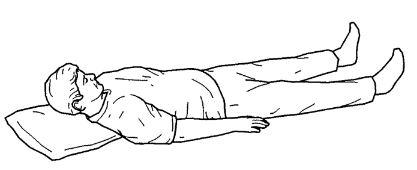
The Head Lifting Exercise is shown below. You can download it from Dr. Shaker’s website also.

Friday, December 11, 2015

Hard to Swallow?

Ed Meyerthoen, the KDA's resident expert on Kennedy's Disease posted the following message in the KDA Forum:

The KD group in Japan just published a study on exercises that they found can improve swallowing in KD patients. The paper can be found here. These exercises are quite straightforward and can be done anywhere one can lie down. A pdf of the exercises can be found here. The exercises are done 3 times a day, every day.

Head Lift Exercise Improves Swallowing Dysfunction in Spinal and Bulbar Muscular Atrophy

The PDF instructions published by Wexner Medical Center of Ohio State are easy to follow. Even though it was only a small study group and only lasted six weeks, the initial results are positive. I plan on trying the exercises and see if they will help me. 

As always is the case, before you try any new exercises, consult with your doctor and physical therapist.

Saturday, April 25, 2015

Swallowing and Choking Difficulties?


While checking my Facebook page, I ran across a link to the ALS Association’s ‘Living with ALS Manuals’ on the Kennedy’s Disease Team Great Britain page. Since many symptoms with ALS are similar to Kennedy’s Disease, I explored some of the manuals and found some of the information relevant and potentially useful for those of us with SBMA. 

The first manual I want to make you aware of is:

Swallowing and choking, at some point in the progression of Kennedy’s Disease, can become an issue. This ALS manual tackles many of the concerns in an easy to understand manner. Speech issues are not as prevalent in Kennedy’s Disease, but it can be an issue for some of us living with the condition. This manual also discusses communication devices including aids to use computers.

TABLE OF CONTENTS
·         Swallowing
How does ALS affect swallowing?
What should you do if muscle weakness affects your eating habits?
What can you do to control your saliva?
What should you eat to maintain a balanced diet?
Why should fiber be included in your diet?
How many and what kind of fluids should you drink regularly?
What is the most appropriate weight for you?
How can you increase your intake of protein and calories?
Do you need to change the consistency of the food you eat?
What if you cannot consume enough food, even after changing the consistency and using supplements? 

·         Speaking
What can you do if your speech sounds slurred?
Tips for Speaking Difficulties
Helpful Hands, Helpful Voices
Using the Telephone
What can you do if other people have difficulty understanding your speech?

·         Communication Devices
How do you choose a communication device?
What types of communication devices are available?
What are the low-technology options?
What are the high-technology options?
What types of aids are available to help you access computers?
What are the “Alliance for Technology Access for the Disabled” and “The Rehabilitation Engineering and Assistive Technology Society of North America (RESNA)”?
Where can you find funding for these devices?


A few examples of the information you will find in this manual follows:

WHAT IF MUSCLE WEAKNESS AFFECTS YOUR EATING HABITS?
A good rule to follow is to swallow two or three times with each mouthful in order to make sure that all food is cleared from your throat. Moistening food with sauces and gravy is helpful in preventing the feeling of pieces being stuck. Taking a sip of liquid after each bite also may help move the solids.
Moreover, try tipping your chin downward as if you are looking at your plate, so that you shift the structures into place which protect the airway, as opposed to tilting your head backward.

WHAT CAN YOU DO TO CONTROL YOUR SALIVA?
The body produces about four-to-six cups of saliva every day. Normally, this saliva is being moved in the mouth and swallowed unconsciously. If your swallowing muscles are weakened and your lips and jaw are not in control of the saliva, you may have difficulty keeping it in your mouth (drooling), or experience some occasional coughing or choking.

If your saliva is thick, it is important to take in enough fluid to make your saliva thinner. It is easier to swallow thin rather than thick saliva.

If excessive saliva becomes a problem, you should talk to your doctor about the possibility of using medicine to control it. There are also suction machines available which are used to dispose of excess saliva; you can get more information about these aids from your nurse or doctor.

If you are experiencing swallowing issues or are finding it more difficult to communicate, please check out this resource from the ALS Association.